
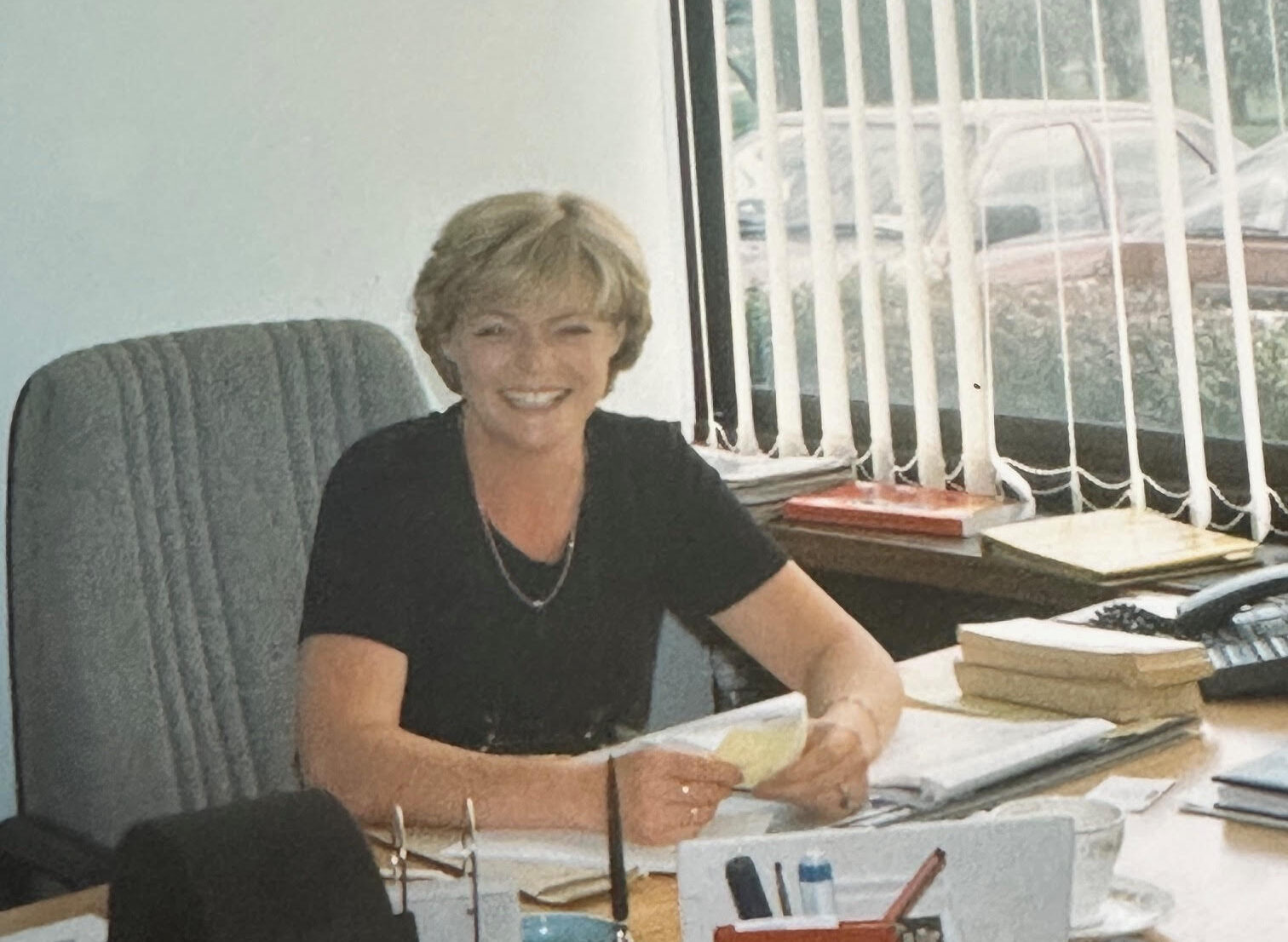
Reflecting on 33 years of Eurobase
Julie Colclough, Eurobase CEO and Founder, looks back on more than three decades in the European supply chain industry.
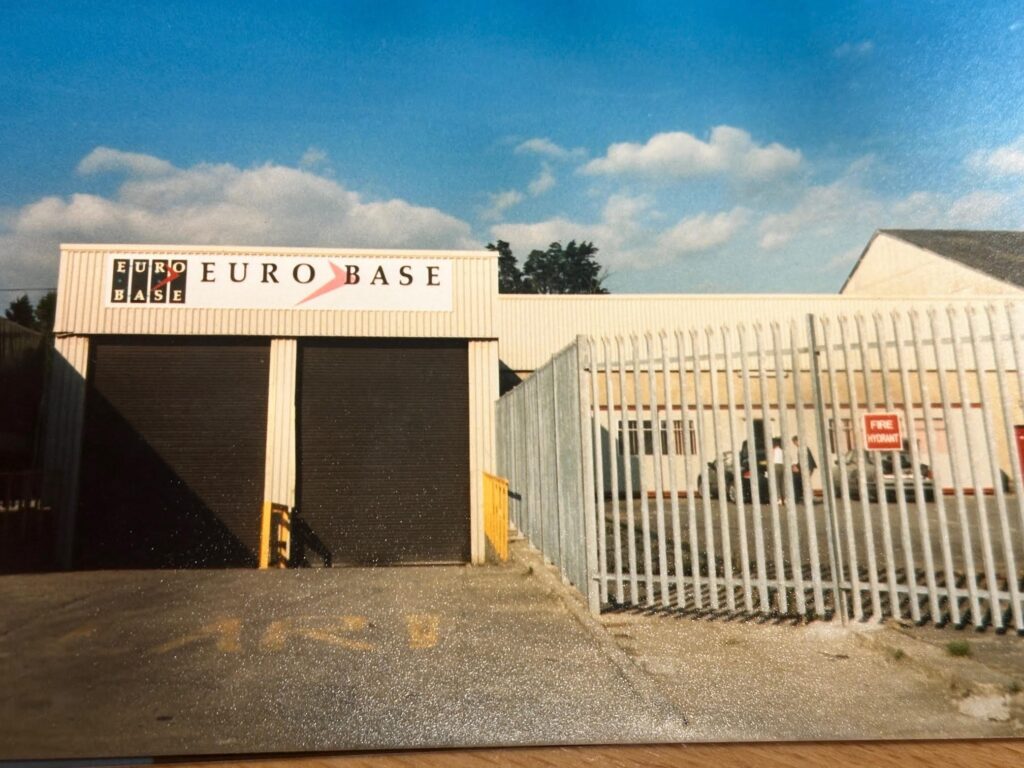
Today on January 3rd, we are very excited to celebrate 33 years of Eurobase.
Sitting back and reflecting on the past 33 years in the European supply chain industry, I can hardly believe how far we’ve come – both as a company and as an industry.
The world in 1992 looked very different, especially for companies based outside of the European Union seeking to navigate the complexities of the European market. Our mission was simple: to provide non-EU companies with efficient, reliable, and cost-effective supply chain solutions in Europe.
The early days: a different landscape
In the early 1990s, the European Union was still in the process of becoming the economic powerhouse it is today. Trade barriers between European countries were high, and there was limited integration. The logistics infrastructure, though robust, wasn’t as interconnected or as advanced as it is now. For companies outside the EU, understanding the nuances of customs, compliance, VAT and tariffs, was an overwhelming task. Throw into the mix language barriers and the various European currencies!
In those days, there was no easy way for companies to bridge the gap between their operations and the European market. If you weren’t based in Europe, you were often left to navigate a maze of rules and red tape with little assistance.
At the time, there was no such thing as “cross-border digital logistics”; everything was done manually, with a heavy reliance on paperwork and human intervention.
The internet revolution: a game-changer
The turn of the millennium brought with it the internet revolution, and with it, the supply chain industry began to change. E-commerce exploded, and businesses of all sizes were starting to realise that their global ambitions could be realised without the limitations that once existed. The internet allowed us to provide our clients with up-to-the-minute tracking, better visibility of inventory, and access to real-time data for the first time in history. The days of faxed shipping instructions and hand-delivered invoices were rapidly coming to an end.
Eurobase was quick to adapt. We invested heavily in technology, and soon, our clients could track their goods from warehouse to destination with a few clicks. What had once been a slow, manual process became seamless, faster, and more transparent. With the power of the internet, we could offer a level of service that was unprecedented in the industry.
At the same time, we began to notice a fundamental shift in the way companies were operating. While our focus had always been on B2B (business-to-business) supply chains—supporting manufacturers, wholesalers, and distributors—there was an emerging opportunity to cater to a new breed of clients: direct-to-consumer (D2C) businesses. E-commerce was no longer a luxury for a select few; it was becoming the backbone of retail.
The shift to B2C: adapting to e-commerce
As the e-commerce boom took off, the demand for B2C logistics solutions soared. Traditional B2B models, which focused on bulk shipments, warehousing, and distribution to wholesalers or retailers, began to feel slow and outdated compared to the needs of e-commerce businesses. Small orders, individual packages, fast deliveries, and the ability to handle returns—all became critical factors for success in the new retail landscape.
The shift was seismic. Eurobase had been built to serve B2B supply chains, but now, we had to rethink how to deliver the same level of excellence for B2C customers, who had very different expectations. We had to quickly pivot from being purely a B2B provider to an expert in B2C logistics. It was a learning curve for us, but one that we embraced wholeheartedly.
We enhanced our e-commerce fulfillment capabilities, adding more agile warehouse operations and optimising order-picking processes, kitting and assembly services. We introduced same-day and next-day delivery services, offering our clients the speed they needed to compete in a digital-first marketplace. Our systems were upgraded to handle high-frequency, low-volume orders, and we integrated better tracking and customer service solutions to ensure a seamless experience for consumers.
Particularly proud moments were when we helped clients who had been traditionally B2B pivot to an e-commerce-driven B2C models. They were able to offer their customers the speed, accuracy, and personalised service they demanded, and we were right alongside them in this journey, offering not just logistics support, but strategic advice on how to scale their operations effectively. This shift wasn’t just about infrastructure; it was a mindset change, and Eurobase was at the forefront of helping our clients understand and capitalise on the new digital-first supply chain.
The financial crisis and resilience
In 2008, the global financial crisis hit, and the industry felt its impact. There was a sharp contraction in demand, companies tightened their belts, and trade volumes plummeted. But rather than succumb to the challenging environment, we used it as an opportunity to rethink our approach. The need for cost-effective, efficient, and transparent supply chain services became even more urgent.
During this time, we began focusing on flexibility and responsiveness – two qualities that have defined Eurobase ever since. We worked with our clients to develop more efficient models that could withstand economic volatility. We implemented solutions that allowed them to scale up or down quickly without sacrificing service quality. This flexibility helped build deeper, more lasting relationships with our clients, and in turn, our reputation as a trusted partner grew.
The EU’s Expansion and Changing Trade Dynamics
As the EU expanded, new challenges and opportunities emerged. Countries from Eastern Europe joined the union, bringing with them new markets and new opportunities.
Brexit, however, was a different beast altogether. The United Kingdom’s decision to leave the EU shook the entire supply chain sector. It introduced new layers of complexity for businesses that previously operated within the EU single market. At Eurobase, we had to pivot quickly to support our clients who were suddenly facing new customs regulations and paperwork. We invested in building out solutions to help our clients maintain their business flow. It was a difficult time for everyone, but we emerged stronger and more agile as a result.
Sustainability: the future of supply chain
In the last decade, sustainability has emerged as one of the most significant drivers of change within the industry. Environmental concerns, regulatory changes, and consumer demand for sustainable practices have forced companies to rethink their supply chains from the ground up. Eurobase has always been a forward-thinking company, and we quickly embraced the need for more sustainable solutions. From implementing greener last mile transportation options to reducing carbon footprints in warehousing and packing materials we made significant investments in technology and partnerships that aligned with our commitment to sustainability.
Looking ahead: a new era of supply chain innovation
The European supply chain landscape continuing to evolve at an exponential pace. The focus on digital transformation will only increase, with blockchain, IoT, and AI playing an even more significant role in making supply chains smarter, faster, and more resilient.
At Eurobase, we’re already working on building even more advanced solutions that leverage these technologies to provide our clients with unmatched visibility, control, and efficiency. We’re also focused on expanding our sustainability initiatives, ensuring that our supply chain practices not only meet the demands of our clients but also contribute positively to the planet.
Looking back, I’m incredibly proud of how far we’ve come. From a small startup in the early 90s the journey has been long and rewarding. But it’s not just about the business. It’s about the incredible people who have been part of the Eurobase story – our dedicated team members, clients, and partners who have supported us every step of the way.
As I stand at the crossroads of another exciting chapter, I’m reminded of one thing above all else: in this industry, change is the only constant. The key to success isn’t just adapting to change – it’s anticipating it. And that’s exactly what we’ll continue to do in the next 33 years.